Closing out the cases to be heard this term

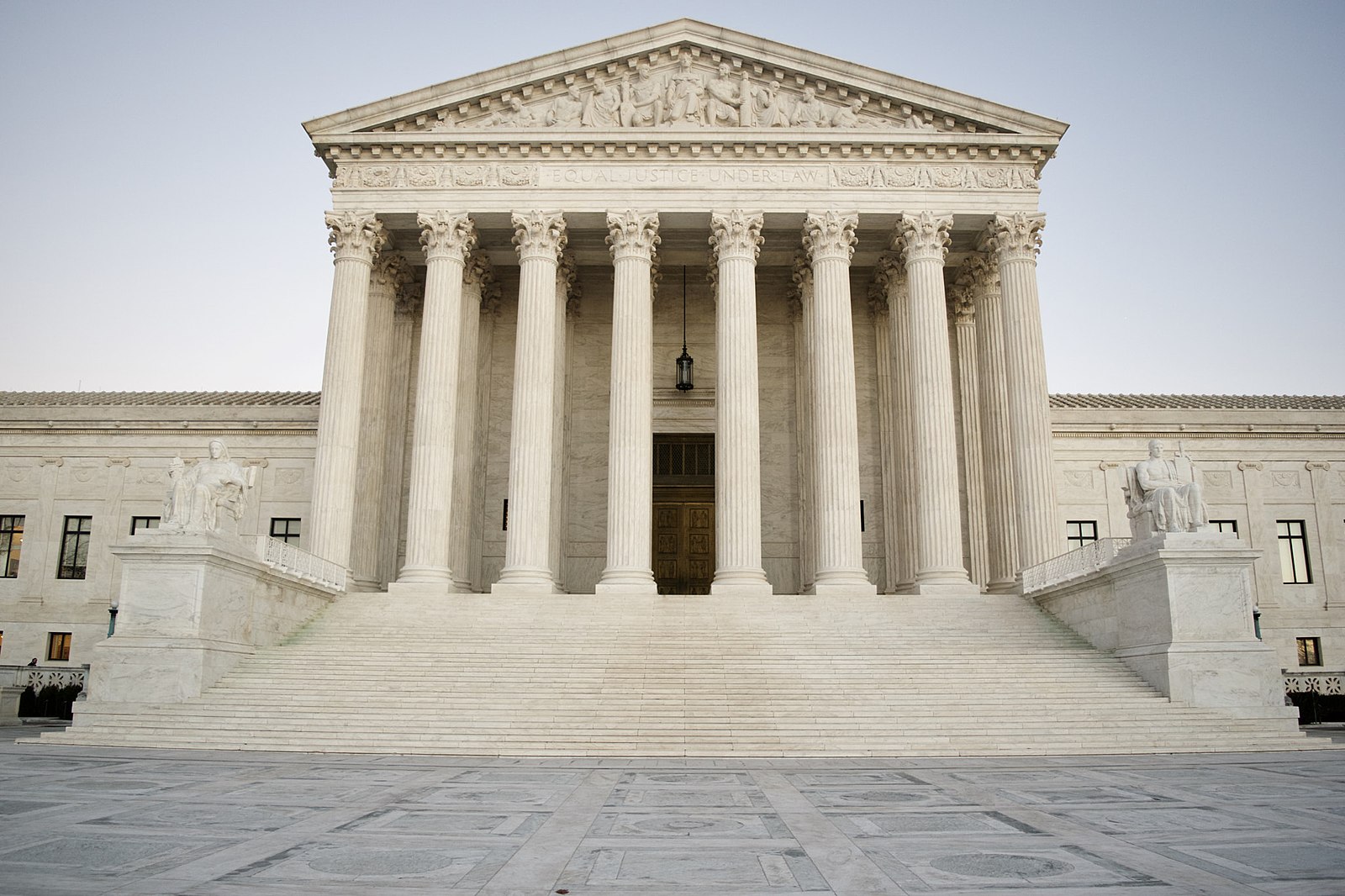
Nuts and Bolts is a recurring series by Stephen Wermiel providing insights into the mechanics of how the Supreme Court works.
An important window may be closing at the Supreme Court.
No, not because of the current renovation taking place on the Supreme Court Building at One First Street.
The window that is closing is the opportunity for petitioners – that is, litigants who lost in the lower courts and want the Supreme Court to weigh in – to have their cases argued and decided in the current court term rather than having to wait until next fall. Both by tradition and because of the amount of time it takes to file briefs in cases, January is typically the cut-off for scheduling a case for argument in the same term.
Some background may help. By federal law, the Supreme Court’s term begins on the first Monday in October; oral arguments in cases normally start that day, as well. The court then hears arguments in seven two-week sessions from October to April. After the two-week session in April, the court term continues as the justices announce their decisions, usually until the end of June.
In current practice, the justices hear argument in about 55-60 cases each term. Those cases are selected from among thousands of petitions, most of which the justices routinely decline to review, typically leaving in place the ruling of a federal appeals court or a state supreme court.
Under this schedule, cases in which the court grants review between September through mid-to-late January most likely will be argued during that same court term. But cases in which the court grants review from late January or February until September will generally be argued in the next term, starting that October.
Back to the window. The biggest factor in whether cases make it under the wire to be argued in April is the briefing schedule dictated by Supreme Court rules. Supreme Court Rule 25 gives the petitioner 45 days to file its brief once the justices have agreed to hear arguments in the case. Once that brief is filed, the respondent – the litigant that lost in the lower court – has 30 days to file its brief. Finally, the petitioner has 30 days to file a reply brief to respond to the opposition; but the reply brief must be filed no later than (2 p.m.) 10 days before the oral argument, meaning that in some instances the petitioner will not get the full 30 days.
Now let’s do the math. Let’s take a case in which the court granted review on Jan. 9. The petitioner would have to file a brief by Feb. 23. The respondent would have to file by March 25. If the petitioner took the entire 30 days for a reply, that would make it April 24 – 105 days total for all of the briefing.
However, the court’s April argument session (this term) begins on Monday, April 20; it runs through Wednesday, April 22, and then begins again on Monday, April 27, going until April 29. If the January 9 case were to be argued on April 20, the reply brief would have to be filed by April 10, or April 17, for an April 27 argument.
But let’s try a slightly different scenario. According to the court’s calendar, the last day on which the justices might announce new cases they have agreed to have argued this term is today. For a January 23 announcement, the petitioner would have until March 9 and the respondent until April 8. For an April 27 argument, the reply brief would have to be filed by April 17, so just nine days after the respondent’s brief. Clearly, cases which the court agrees to review for briefing and argument after January would not have sufficient time under the normal briefing schedule to make an April argument. Consequently, cases granted after January will typically be put over to the next term beginning in October.
There are exceptions to this practice when the justices believe a case needs expedited handling and cannot wait (or when they want to fill out their April argument calendar). For example, the justices agreed last spring to decide whether federal district court judges have the authority to issue nationwide injunctions. Trump v. CASA came to the court as a request for an emergency stay of lower court rulings that invalidated President Donald Trump’s executive order limiting birthright citizenship under the 14th Amendment. On April 17, 2025, the court scheduled the case for argument on May 15, and the ruling restricting nationwide federal court injunctions was issued on June 27.
This January window can sometimes lead experienced Supreme Court practitioners to think about strategic decisions. For example, some lawyers believe that when the justices meet in their private conferences in January to select cases to be decided, the court is scrambling to fill the remaining argument slots in April. If this is true, the theory goes, the justices may be more likely to grant review at that time than at other times of year. This might lead some lawyers to try to finesse the timing to be considered at one of the three January conferences so that there is an increased likelihood of having a case set for argument.
Of course there is an opposite side to this strategy. A lawyer who may believe there is no urgency for a decision may hope to avoid the pressure of briefing and argument right away. At other times of year, justices may grant extensions, or there may be more time between briefing and argument. This may provide a less intense schedule.
There is also the viewpoint of the respondents who generally do not want the court to hear the case, usually because they won in the lower court. Respondents may sometimes ask for more time to file their initial opposition to the petition for review, hoping to avoid the January conferences and the increased likelihood that the court will hear a case.
There may sometimes be an additional wrinkle. If the justices in January are looking at the April arguments, they may find that they do not have room for all of the cases they ultimately grant. This may be what happened in Bowe v. United States, a case about habeas corpus petitions for prison inmates. The court granted review in Bowe last Jan. 17, but it did not make it on to that term’s April schedule. Instead, it was argued on Oct. 14 of this term and decided on Jan. 9, making it the first of the term to be resolved in an argued case. Had the case been argued in April, it would likely have been decided in June, six months sooner.
For the current court term, the window may have closed with orders granting review on Friday, Jan. 16, or it could possibly extend to today. The court does not make a formal announcement of when the window has closed. Which date is the last one and which cases make it on to the April argument schedule thus remain to be seen until the court releases a schedule of cases to be argued that month. And so we wait.
Posted in Featured, Nuts and Bolts, Recurring Columns
Cases: Bowe v. United States, Trump v. CASA, Inc., Trump v. CASA, Inc.